Back in Action: Salt Lake City, Carding, and a Summer of Change
For the first time in my life, I’m being paid to climb - and that’s only one of the things that changed this summer as I head into the Salt Lake City World Cup.

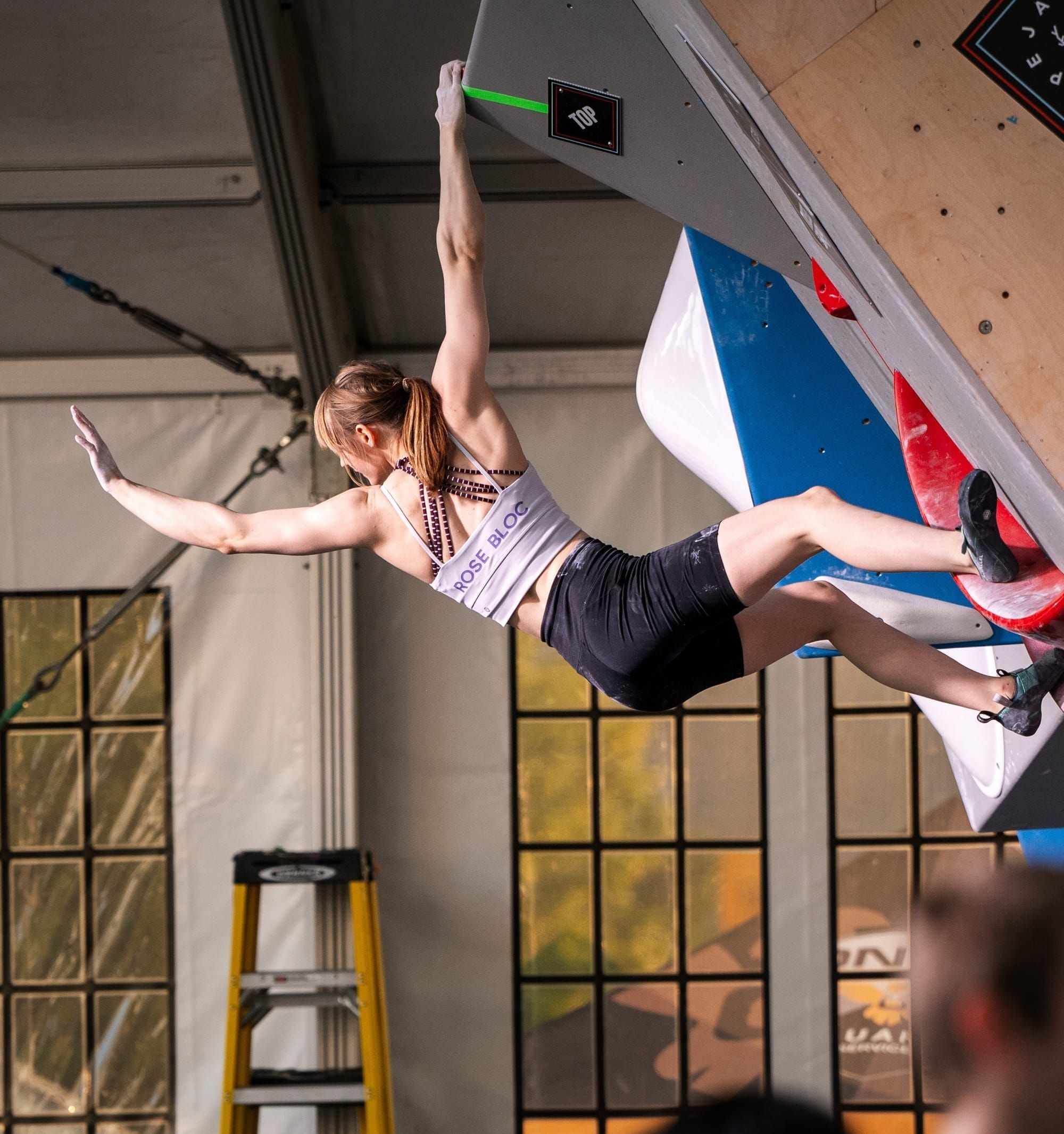
After a much-needed hiatus from competing, I'm back in action, with the Salt Lake City World Cup just around the corner on October 16–18.
A lot has happened since the last update on the blog, and I'm excited to share it all with you.
Let's jump back to July.
Following the last World Cup of the MEGA European leg of the 2026 World Climbing Series, I spent some time on my own in Europe in full tourist mode. I gallivanted around Belgium, the Netherlands, and France in the span of a week, exploring all of the shops, bakeries, and climbing gyms I could find.
I made two big videos for my YouTube channel, which I filmed and edited entirely myself - not an easy feat when you have to talk to a camera in the middle of a public climbing gym.
I also squeezed in my first international business meeting in Troyes, France, where I met with the family of a student entering our high-performance climbing program at MacLachlan College in the fall.
When I got back from Europe, I competed at Bloc Shop Open.
Bloc Shop is one of the classic climbing gyms in Montreal, and I've been climbing there for over a decade. They used to host their legendary Bloc Shop Open bouldering competition every year, inviting World Champions to compete alongside the Canadian field.
At 17 years old, I was the only Canadian woman to make finals at the 2019 edition of Bloc Shop Open, and happily took fifth place among a stacked field of international stars.
COVID halted Bloc Shop Open for seven long years, but finally, in 2026, it returned. Once again, I advanced to finals and came away with a somewhat anti-climactic fifth-place finish.
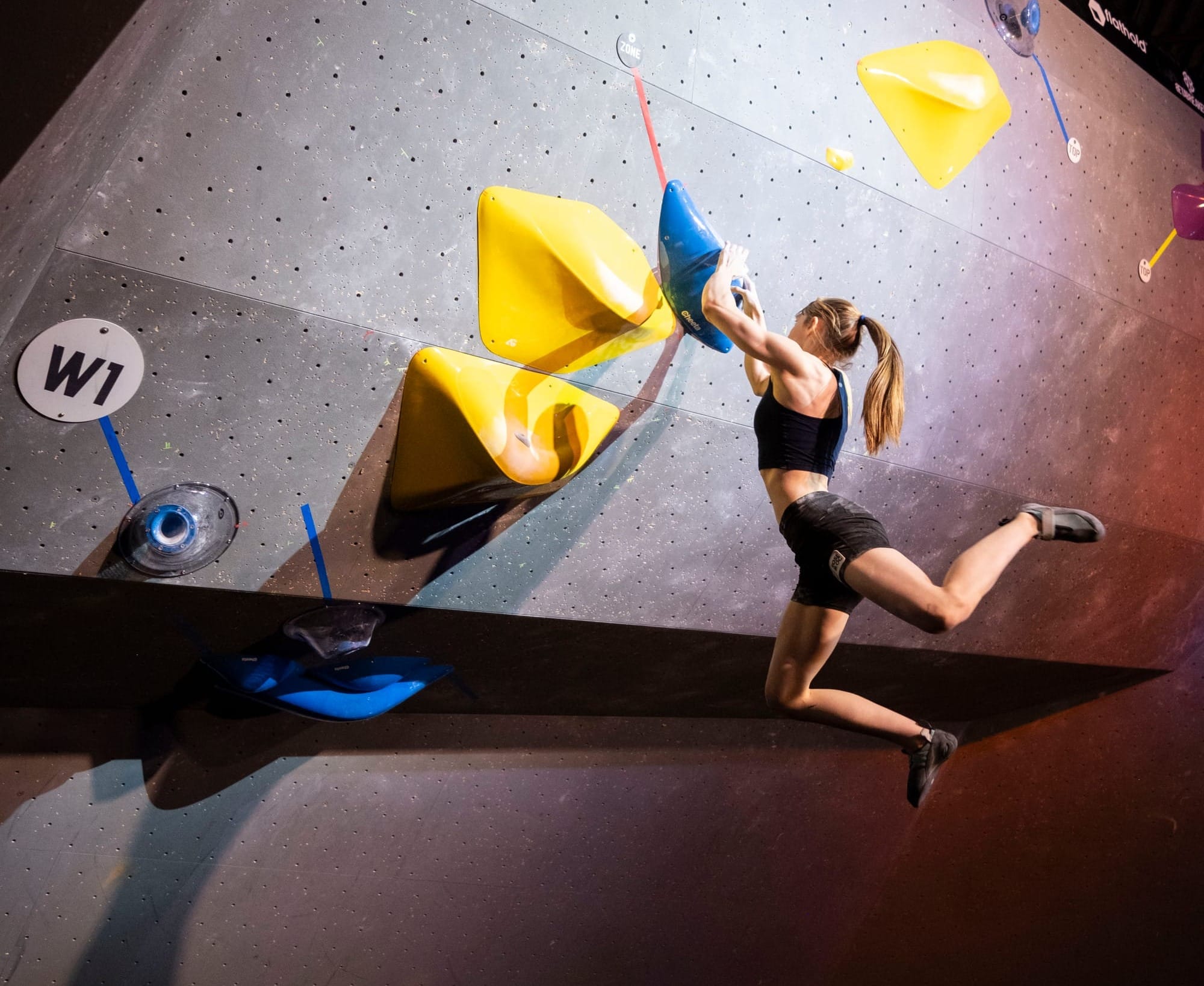
But boy, did I climb my heart out.
Bloc Shop Open marked the end of my season - at least in my head.
I took a good two weeks off immediately following the competition and took a train down to Ontario, where I spent the time in Burlington coaching our MacLachlan climbing team's summer practices.
Anytime I take two or more weeks completely away from training and climbing, I consider it a mental divorce between the old season and the new. Hence, Bloc Shop Open being the end of my season despite there technically being one more World Cup in October.
Getting back into training is always a struggle. It's strange to go from peaking to feeling completely out of practice in just two weeks, but I've done it enough times now to know it's temporary. I just have to keep my head down and work through it.
By mid-August, I was starting to feel like myself again, and training for Salt Lake City was fully underway.
Something new we decided to trial during the three-month training block leading into SLC was the idea of "cutting the fat" from my training program, so to speak.
I turned 25 this year, and apparently that qualifies me as a "mature athlete."
I now have more than a decade of structured training behind me and, with that, more than enough physical strength to execute the demands of my sport. In other words: I don't really need to keep pushing it in the weight room anymore.
Maintaining strength is one thing. But spending six-plus months putting seven to ten hours per week into the weight room just to end up with another pound or two on each exercise year over year isn't necessarily where I should be spending my time and energy anymore.
This shift also came on the heels of a conversation I had with a subscriber who reached out with some observations about my climbing after watching me both on YouTube and in person.
He noted that I seemed to be considerably stronger than many of the women I compete against, yet I often underperformed compared to them on the actual boulders.
It was a fair observation.
So we stripped my training program down.
For three months, almost everything revolved around climbing, hangboarding, and, of course, pull-ups.
I can't help myself.
Almost immediately, I felt lighter. I had more energy and more capacity to give to every climbing session. I started climbing everything - entire gyms, practically.
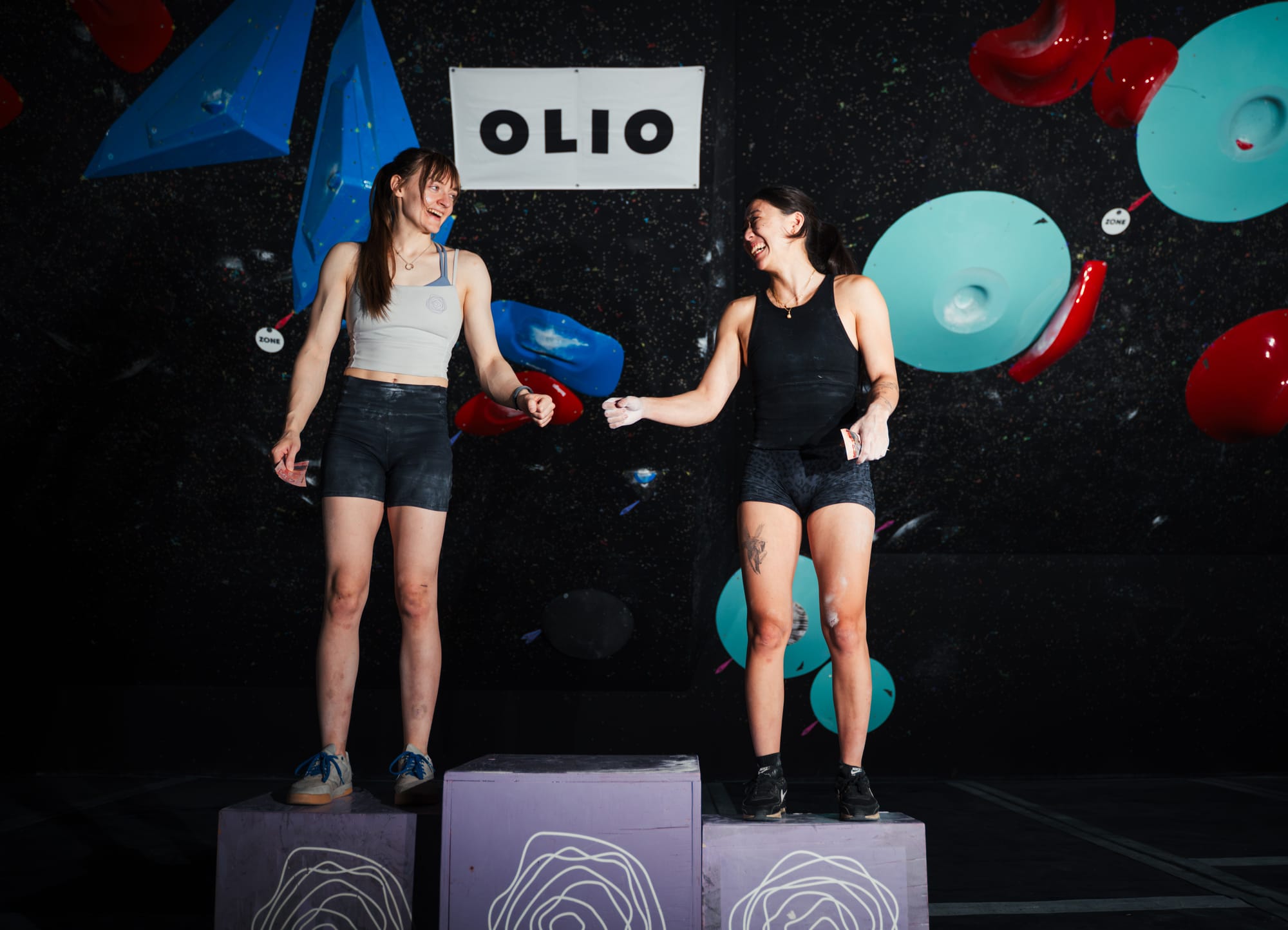
In August, I also competed at the Rose Bloc Championships, where I placed second. While the finals round was a little on the easy side, I felt like this new training philosophy really showed itself in qualifiers and semi-finals, where I comfortably led the field in both rounds.
By September, I was on a roll, but climbing wasn't the only priority on my calendar.
By September, I was on a roll, but climbing wasn't the only priority on my calendar.
I spent the first half of September in Ontario launching the MacLachlan High-Performance program with Zach. We welcomed eight new athletes to the program, each with individualized needs.
This is the first year of our program, and it's demanding for everyone involved - athletes and coaches.
Zach and I don't live in Ontario anymore, so we made the commitment to travel down once a month to coach the kids in person, while writing and overseeing their monthly training programs from Montreal.
In September, though, we needed to extend our stay to make sure both the athletes and the other coaches were fully prepared to execute the program, especially when we're not there.
The first week went smoothly for me. I was on a rest week, so I had plenty of time to spend coaching and staying late for meetings. But by the second week, I was juggling my own training with the kids', and I was struggling.
Because of the constraints of school - and the demands of high-performance training - the athletes train twice daily, before and after school. Two mornings start at 6:00 a.m., and the other two start at 7:15 a.m.
It's early.
I thought I was handling the early mornings well until I got to my own training session and realized I had brain fog and couldn't problem-solve at the World Cup level I was preparing for - with Salt Lake City just a month away, no less.
I survived the two and a half weeks in Oakville, but it's going to be a balancing act that I'll have to get better at handling.
All the while, something else had started growing in my mind, stealing maybe 25% of the attention that had previously been going entirely toward training.
I realized over the summer that I want to become a pastry chef.
The thought really crystallized while I was travelling alone through Europe after the World Cups, hopping from bakery to bakery and cooking store to cooking store, buying more tools and pastries than either my suitcase or my stomach could fit.
I realized that I might be more than an enthusiast...
I wanted to recreate the desserts and baked goods I'd encountered not only on that trip, but throughout my climbing career - in Japan, Korea, Spain, Germany, France, Belgium, and all of the other places I've been lucky enough to visit with rich and unique culinary traditions.
I spent a lot of my summer at home baking, reading, and researching what that path could look like.
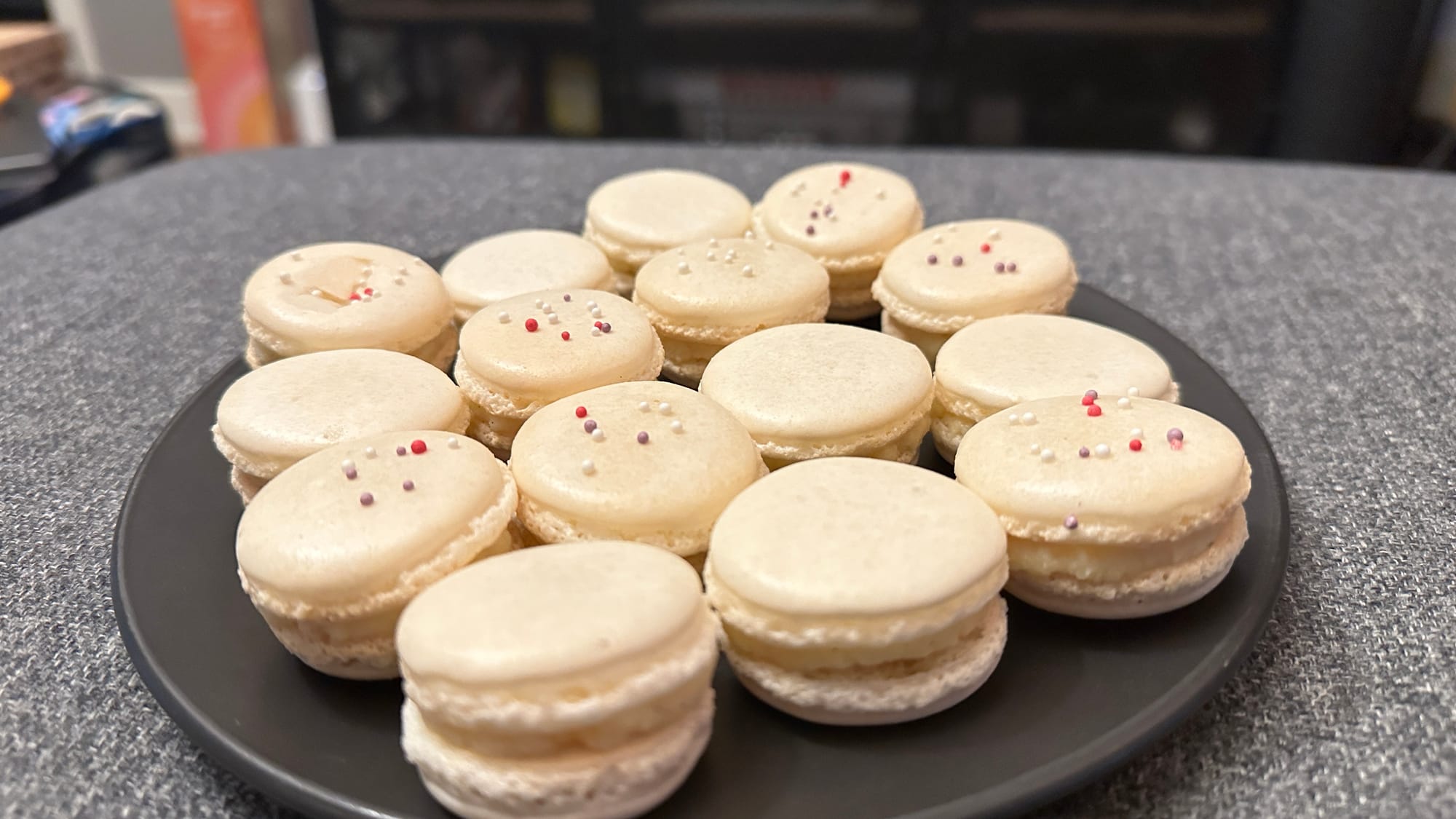
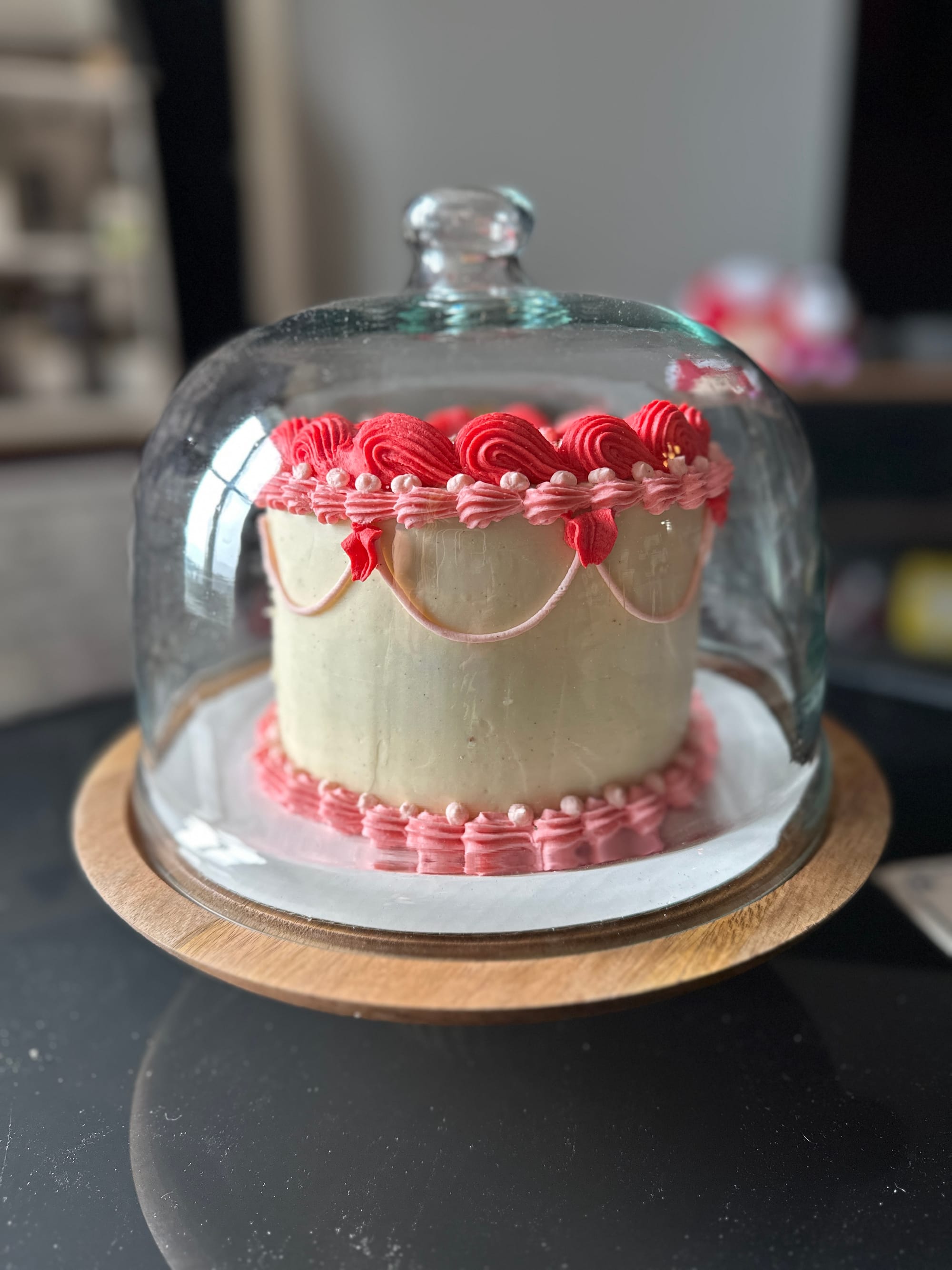
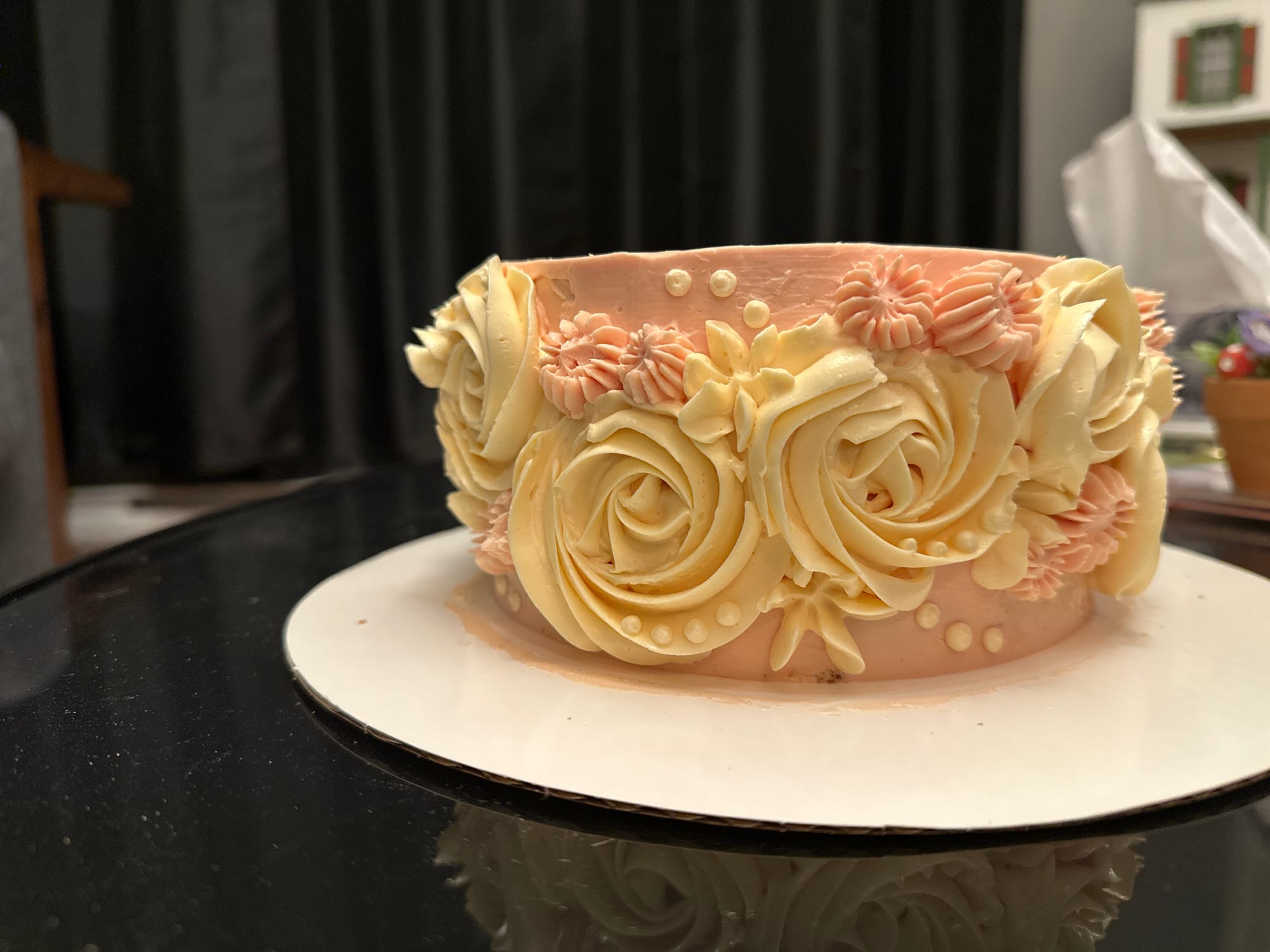
Homemade macarons and cake from a summer spent learning pastry
Culinary school? Self-taught? One-off courses? Apprenticeships?
The options were overwhelming.
And I'm impatient.
Once I had decided that this was something I wanted to pursue, I wanted to pursue it immediately.
Unfortunately, there is one fairly major roadblock standing in my way:
My beloved climbing career.
I pondered the options for a few weeks, and ultimately it was Zach who set me straight.
He said, "With the Olympic qualifier events coming up, and you being at the prime of your career, now is not the time to take your foot off the gas pedal."
He was right, of course.
There will always be time for me to become a baker. I won't always be in the position to capitalize on my climbing career the way I am right now.
And there's now another very big consideration in that equation:
Athlete carding.
Which brings me to the biggest update of the summer.
Climbing Canada is now a carded sport.
For some quick background, Sport Canada's Athlete Assistance Program provides financial support directly to eligible high-performance Canadian athletes through what are commonly called "cards."
A senior card provides an athlete with a monthly training and living allowance - currently $2,300 per month - paid directly by Sport Canada and tax-free.
Many of the sports Canadians know and love have long had access to these cards. Some sports receive enough allocations to support dozens of athletes on their national teams.
When I was a teenager, I remember researching funding opportunities and grants constantly.
I was new to the National Team and, unsurprisingly, pretty underwhelmed by the lack of financial support available to me as one of the top climbers in the country actively competing internationally.
Carding was one of the first things I found when I searched for ways Canadian athletes could receive support.
But Climbing Canada didn't have a single permanent card allocation from Sport Canada.
For almost a decade, that remained the reality.
Even after climbing made its Olympic debut, our athletes continued competing internationally without access to this type of direct federal athlete funding.
Then, suddenly, that changed.
As part of broader changes to the Canadian sport system, carding allocations were redistributed - and Sport Canada awarded Climbing Canada three senior cards.
The first permanently allocated cards in our sport's history.
When I received the email telling us, I let out an audible gasp.
Over the summer, Climbing Canada developed criteria for determining which athletes would receive those cards.
Performance-based, of course.
Based on my results, I knew I was in a very strong position to receive one, but anything can happen. I refused to get excited until it was official.
Sure enough, just this past week, I received one of the most unbelievable emails I've ever opened:
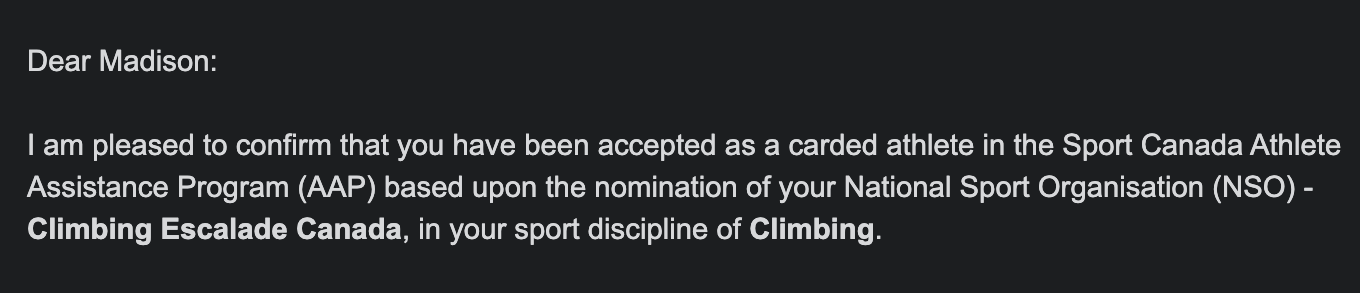
For the first time in my life, I'm being paid to climb.
Being an athlete for more than a decade has taught me so much about myself and about life. And now that carding has finally arrived, I don't find myself feeling frustrated that it took this long, or thinking that I'm somehow owed it after all of these years of hard work.
Instead, I'm grateful for the path that being part of an underfunded sport pushed me toward.
It taught me to value the work I put into my sport for the sake of the sport itself.
And it allows me to appreciate carding that much more now that it's here.
The world hasn't turned upside down, of course. It rarely does with moments like this.
But I certainly look at my career - and my own resilience - a little differently now.
I had more or less resigned myself to Climbing Canada being an underfunded sport for the entirety of my career, so I built other paths.
The YouTuber path.
The entrepreneur path.
The blogger path.
The chicken-chalk-bag-making path.
The coaching path.
I never really thought I would be paid simply to train and compete.
But sure enough, here we are.
Hopefully, from here on out, I'll have the opportunity to earn carding again each year.
That will depend on me continuing to perform in an increasingly strong international field, handling the mounting pressure that comes with it, and - maybe most importantly - keeping that intrinsic motivation alive.
Yes, I want to get carded year after year, but I also have some much bigger goals that 16-year-old Maddie set out for me.
And of all the opportunities and expectations I now have resting on my shoulders, pursuing 16-year old Maddie's wildest dreams in climbing is still the most important one.
I'm at a point where my life is expanding in several directions, while climbing is simultaneously demanding that I commit harder than ever.
It's a balancing act for sure, but I'm hunkering down and preparing to execute on everything to the best of my ability.
Wish me luck!